
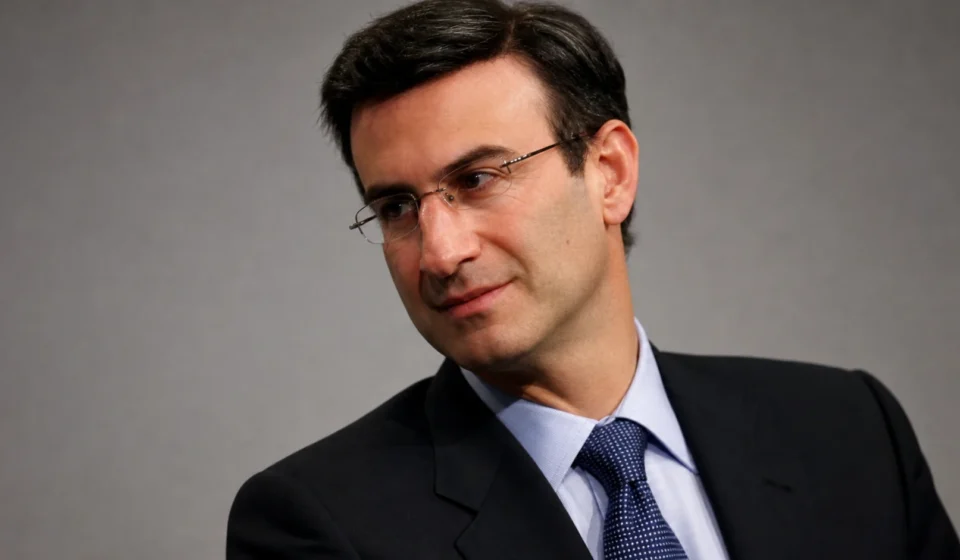

Peter Orszag built his reputation through economics, government service, and global finance, not through celebrity culture. Yet public curiosity about his appearance has followed him since his years in the Obama administration, when his glasses, distinctive haircut, and policy-focused persona made him unusually recognizable for a federal budget official. That interest now appears in searches for “Peter Orszag wig,” although no credible public evidence confirms that he wears a wig, toupee, or hair system.
The careful answer is simple: Orszag has never publicly said that he wears a wig, and reliable profiles of his life and career do not make that claim. Photographs taken over many years show his hair changing from dark to gray while retaining a familiar side-parted style. Images alone cannot establish whether someone uses cosmetic products, has received hair treatment, or simply maintains a consistent haircut.
That appearance-related question is a small part of a much larger biography. Orszag is a former director of both the Congressional Budget Office and the White House Office of Management and Budget. He later became a senior financial executive and, as of August 2026, serves as chairman and chief executive officer of Lazard.
Who Is Peter Orszag?
Peter Richard Orszag is an American economist, policy specialist, author, and business executive. He was born on December 16, 1968, and is 57 years old as of August 2026. He will turn 58 in December 2026.
He became nationally known during the presidency of Barack Obama, serving as director of the Office of Management and Budget from January 2009 until July 2010. In that position, he helped shape and explain the administration’s approach to federal spending, deficits, healthcare costs, and the economic pressures that followed the 2008 financial crisis.
Before joining the White House, Orszag led the Congressional Budget Office from 2007 to 2008. The CBO provides nonpartisan economic analysis and cost estimates to Congress, making its director an important figure in federal debates even if the position rarely brings widespread public recognition.
Orszag’s profile grew beyond the usual boundaries of economic policy. His media appearances, youthful image, dark-framed glasses, and carefully parted hair made him one of the more visually recognizable members of Obama’s economic team. That attention explains why his appearance still generates search interest years after he left government.
Does Peter Orszag Wear a Wig?
There is no verified evidence that Peter Orszag wears a wig. He has not publicly disclosed using one, and dependable reporting about his career, marriage, education, and business leadership does not identify him as wearing a hairpiece.
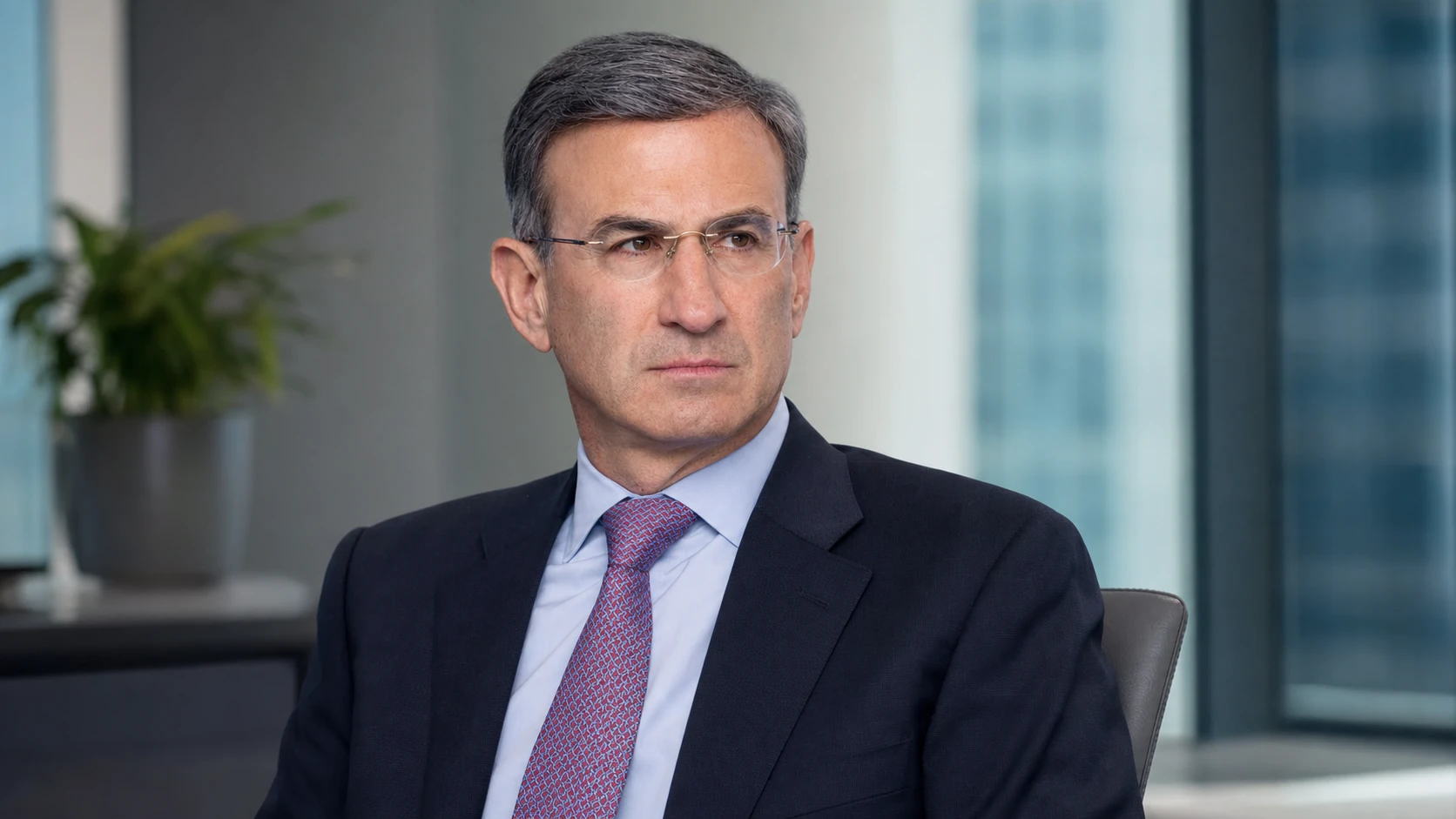
Public photographs show Orszag with short hair throughout his adult career. During his White House years, it appeared darker, fuller, and sometimes less controlled around the front. More recent corporate portraits and television appearances show gray hair cut close and parted in a similar direction.
Those visual changes are consistent with aging, styling, lighting, and the passage of more than 15 years. They do not prove that he has used a wig, hair transplant, medication, fibers, or any other cosmetic treatment. None of those possibilities has been publicly confirmed.
The word “wig” is also often used loosely online. A full wig, partial hair system, transplant, styling product, and ordinary haircut are different things. Treating them as interchangeable encourages unsupported conclusions based on photographs rather than evidence.
The most accurate wording is therefore that the Peter Orszag wig claim remains unsubstantiated. Readers can observe that his hair has changed in color and presentation, but they cannot responsibly determine his private grooming choices from public images.
Early Life and Family Background
Orszag grew up in a family closely connected to mathematics, science, and academic achievement. His father, Steven Orszag, was a respected mathematician whose work included fluid dynamics and computational methods. His mother, Reba Karp, also had an academic background.
His upbringing encouraged intellectual discipline and an interest in analytical problem-solving. That environment helped set the direction for a career centered on economic data, public institutions, and large policy questions rather than electoral politics.
Orszag has generally kept the most personal parts of his childhood outside public discussion. His exact early ambitions and many details about his home life are not widely documented. What is clear is that education became the foundation of his professional path.
He is an American citizen and has spent much of his career moving between academia, government, research organizations, financial institutions, and public commentary.
Education and Academic Training
Orszag attended Princeton University, where he completed his undergraduate degree in economics. He graduated summa cum laude, reflecting the strong academic record that later helped establish him as a serious policy economist.
He then studied at the London School of Economics as a Marshall Scholar. He earned both a master’s degree and a doctorate in economics, developing expertise that would later support his work on taxation, Social Security, healthcare spending, retirement policy, and federal budgeting.
His formal training placed him within a generation of economists who moved between research and public service. Rather than remaining solely in a university position, Orszag applied economic analysis to government programs and national budget decisions.
That combination of academic credentials and practical policy work became one of his defining strengths. It allowed him to speak to lawmakers, business leaders, journalists, and researchers while maintaining the technical authority expected of a trained economist.
Early Government and Policy Career
Orszag held economic-policy positions during the administration of President Bill Clinton. Those early roles introduced him to the practical demands of federal decision-making, where economic proposals must survive political negotiation, legislative review, and public scrutiny.
After his Clinton-era work, he joined the Brookings Institution in 2001. Brookings is a Washington-based research organization known for work on economics, governance, foreign policy, and social programs. Orszag studied subjects including fiscal policy, Social Security, retirement security, education, poverty, taxation, and climate-related economic questions.
He also became the first director of the Hamilton Project, an economic-policy initiative associated with Brookings. The project focused on proposals intended to promote growth, economic opportunity, and fiscal responsibility.
This period helped make Orszag known within policy circles before the broader public recognized his name. His writing and research established him as an economist able to connect long-term budget questions with immediate political choices.
Leading the Congressional Budget Office
Orszag became director of the Congressional Budget Office in January 2007. The job required him to oversee projections of government spending, revenue, deficits, and debt while protecting the agency’s nonpartisan standing.
The CBO director does not decide policy. Instead, the office estimates the financial effects of proposed laws and provides lawmakers with evidence about likely economic outcomes. Its conclusions can strengthen or weaken major legislation, making the director influential even without direct political authority.
During Orszag’s tenure, concerns about healthcare spending became central to his public work. He repeatedly addressed the long-term fiscal pressure created by rising medical costs, an issue that later became central to the Obama administration’s healthcare agenda.
His performance at CBO helped position him for a more prominent role. By the end of 2008, President-elect Barack Obama selected him to lead the Office of Management and Budget.
White House Career and Public Recognition
Orszag took office as OMB director on January 20, 2009. The position placed him at the center of an administration responding to recession, unemployment, financial instability, growing deficits, and political disputes over government intervention.
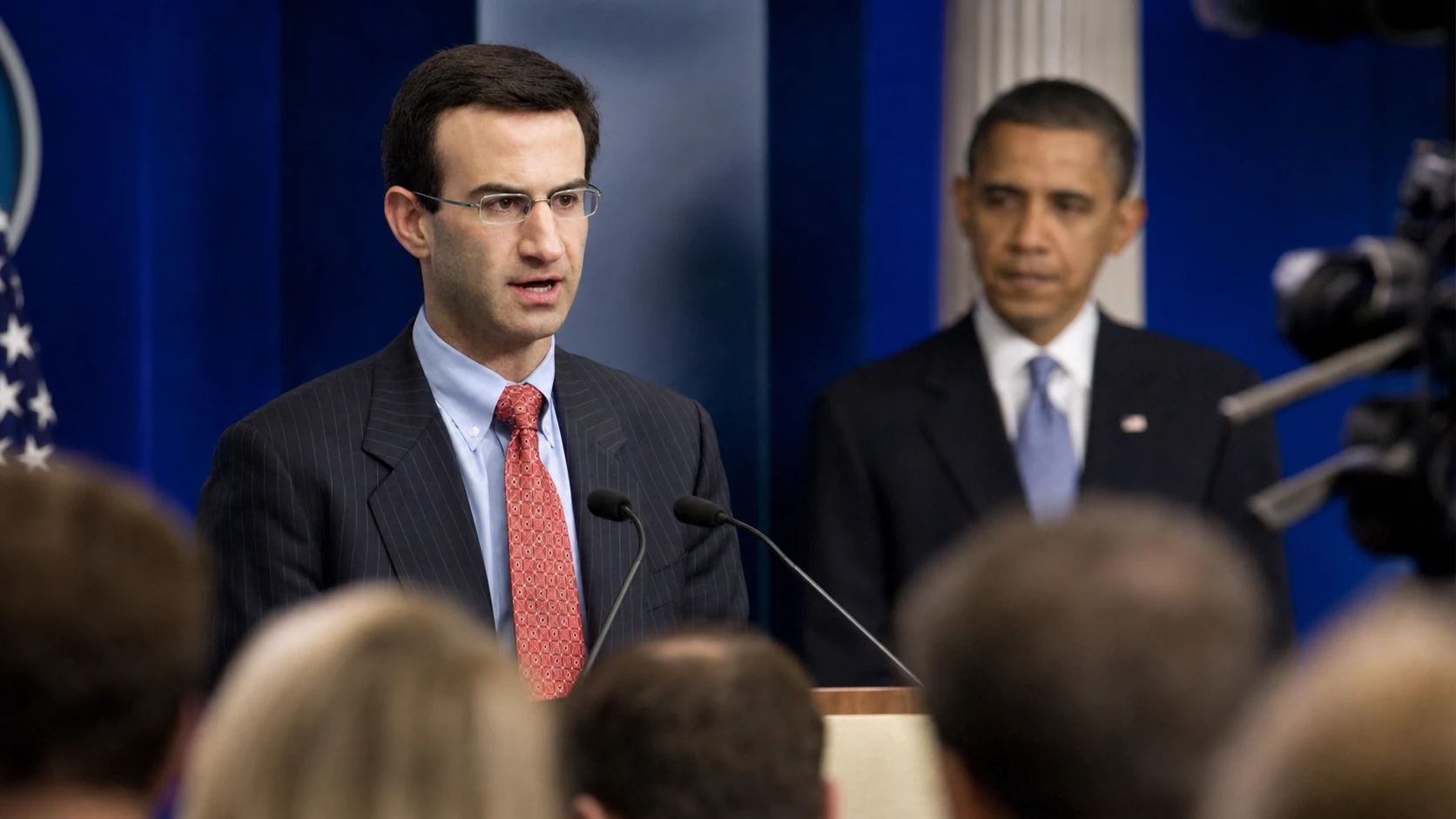
As budget director, he helped prepare the president’s budget proposals and explain their economic reasoning. He also participated in discussions about healthcare reform, arguing that controlling medical spending was essential to improving the country’s long-term fiscal position.
His White House service made him more famous than most budget officials. Television briefings and congressional appearances placed him before a national audience, while profile writers took interest in his reserved style, intellectual reputation, glasses, and hair.
Some coverage treated his haircut as part of an unexpected Washington celebrity image. That history matters because present-day searches about a supposed Peter Orszag wig did not emerge from a confirmed disclosure. They developed from years of public commentary about his appearance.
Orszag left the administration in July 2010. His departure ended a relatively short but highly visible period in government, after which he moved into media, finance, and corporate leadership.
Career in Banking and Financial Advisory
After leaving the White House, Orszag entered the private financial sector. He joined Citigroup, where he held senior positions related to strategy and financial institutions. His move drew attention because it reflected the common but often debated path from senior government service to Wall Street.
Orszag continued writing and speaking about economic policy while working in finance. His subjects included healthcare costs, behavioral economics, retirement policy, taxation, labor markets, corporate strategy, and the relationship between government and business.
He joined Lazard in 2016. The firm operates in financial advisory and asset management, working with corporations, institutions, governments, and investors on mergers, restructuring, capital decisions, and other major financial matters.
Before becoming chief executive, Orszag served in several senior roles at Lazard. These included leadership of financial advisory, North American mergers and acquisitions, and healthcare-related work.
He became CEO on October 1, 2023. Lazard later appointed him chairman of the board effective January 1, 2025, giving him responsibility for both the firm’s management and board leadership.
Lazard Leadership and Recent Work
As chairman and CEO, Orszag has promoted a long-term strategy known as Lazard 2030. The plan seeks to expand revenue, strengthen advisory operations, improve asset-management performance, recruit senior bankers, and position the firm for changes in global finance.
His leadership has not been free from pressure. Investment banking depends heavily on deal activity, corporate confidence, interest rates, and broader economic conditions. Periods of weak mergers or market uncertainty can reduce advisory revenue even when a firm’s long-term strategy remains unchanged.
By 2026, Lazard was still balancing mixed results across its business lines. Its asset-management operations had shown stronger inflows, while parts of financial advisory faced revenue volatility. Orszag’s performance is therefore judged through measurable business outcomes rather than the public fascination that once surrounded his White House image.
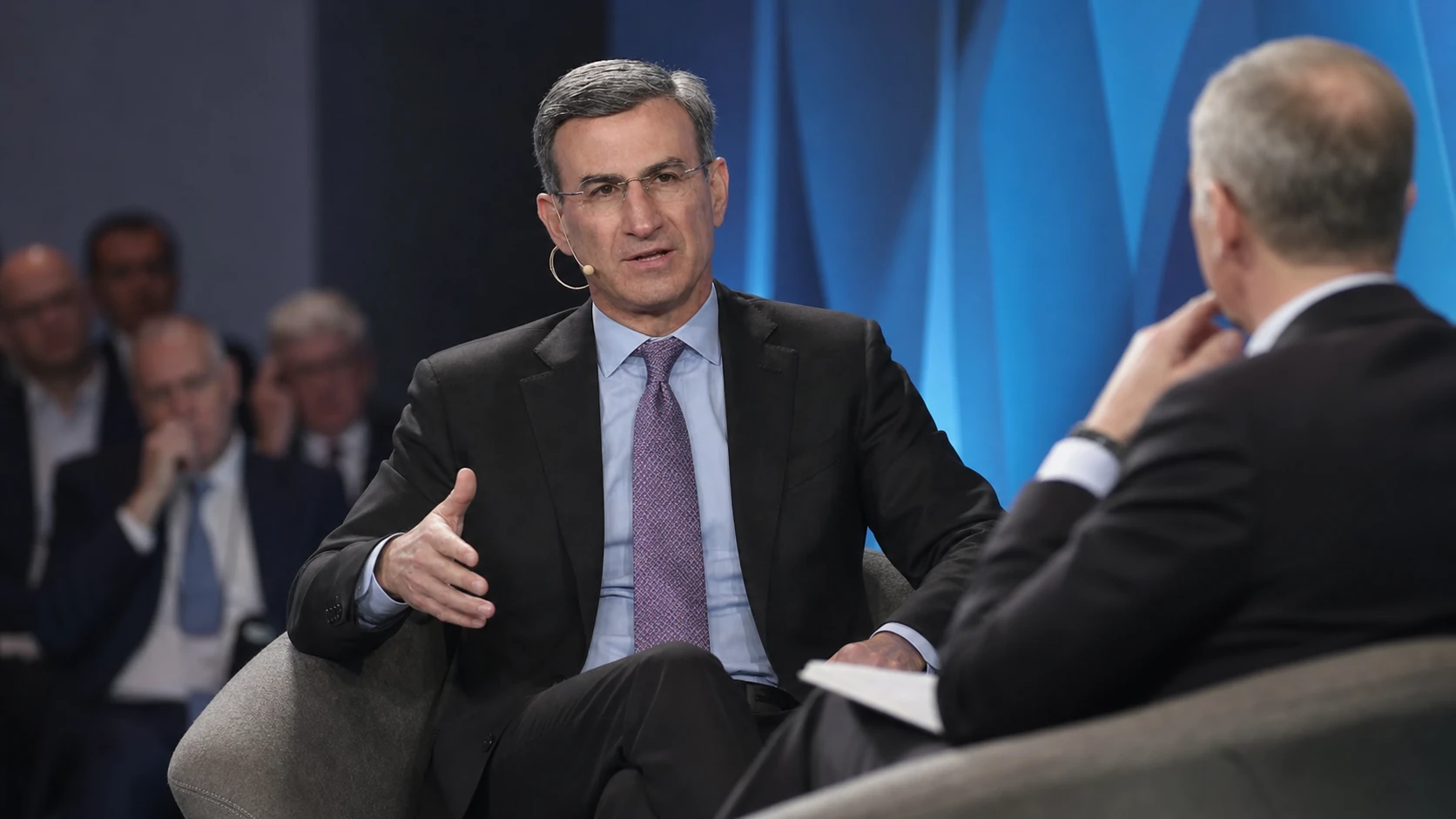
He has remained visible through television interviews, conferences, business forums, and opinion writing. Recent topics have included artificial intelligence, healthcare spending, energy markets, mergers, economic policy, private capital, and geopolitical risk.
That continuing visibility has also produced new photographs and video clips. People who remember Orszag mainly as a dark-haired government official may be seeing him again as a gray-haired financial executive, creating the before-and-after comparisons that often fuel appearance rumors.
Marriage, Children, and Private Life
Peter Orszag is married to journalist Bianna Golodryga. She has worked in television and digital journalism, including prominent roles at ABC News, CBS News, Yahoo News, and CNN.
Their engagement became public in 2009, while Orszag was serving in the Obama administration. They married in 2010 and have built careers that keep both of them connected to economics, politics, international affairs, and the news media.
Orszag is a father, though his family history includes relationships and children from different periods of his life. Public reporting has covered portions of that history, but the children themselves are not public officials and deserve privacy.
He and Golodryga have generally shared limited details about their home life. Their marriage is publicly confirmed, but personal routines, parenting arrangements, and private family decisions are not matters that can be fully reconstructed from public sources.
That same privacy principle applies to Orszag’s hair. Even well-known executives and former government officials are not required to disclose cosmetic treatments or personal grooming choices unless they choose to do so.
Net Worth and Income Sources
Peter Orszag’s exact net worth is not publicly confirmed. Online figures should be treated cautiously because private assets, debts, investments, property holdings, taxes, and family finances are not fully available.
His income has likely come from several major sources across his career. These include senior government employment, research and academic work, writing and speaking, executive positions at Citigroup, and leadership roles at Lazard.
Public-company filings may disclose elements of executive compensation, including salary, bonuses, stock awards, and other benefits. Those figures describe compensation for particular periods, not total net worth. Stock awards may also depend on vesting conditions and future market value.
It is reasonable to describe Orszag as a highly compensated financial executive, but assigning a precise fortune without verified records would create false certainty. Any net-worth estimate should be labeled as an estimate rather than presented as a confirmed fact.
Public Image and the Hair Question
Orszag’s public image has always combined technical expertise with an unusual level of personal attention. Reporters often described him as a policy specialist who became recognizable beyond economic circles, partly because he represented a younger generation of officials entering senior government roles.
His hairstyle became part of that image during the late 2000s. The dark side part, sometimes uneven front, and black-framed glasses gave him a distinct appearance in White House photographs and televised briefings.
Recent images show a more conventional corporate style. His hair is gray, short, and controlled, while his clothing and presentation match the formal expectations placed on the leader of a global advisory firm.
None of that confirms a wig. A consistent part, professional haircut, camera lighting, and natural aging can explain much of the visual continuity and change seen across photographs.
The fairest treatment of the topic separates curiosity from fact. People may wonder about Orszag’s hair, but the public record supports only the statement that no wig has been confirmed.
Frequently Asked Questions
Does Peter Orszag wear a wig?
There is no credible public evidence that Peter Orszag wears a wig. He has not disclosed using one, and reliable reporting does not confirm a hairpiece or hair system.
Is Peter Orszag bald?
No. Public photographs show him with short gray hair. His exact hair density, grooming routine, or use of any private treatments is not publicly confirmed.
How old is Peter Orszag?
Peter Orszag was born on December 16, 1968. He is 57 years old as of August 2026 and will turn 58 in December 2026.
What is Peter Orszag famous for?
He is best known for directing the Congressional Budget Office, serving as President Barack Obama’s budget director, and later becoming chairman and CEO of Lazard.
Who is Peter Orszag’s wife?
He is married to journalist Bianna Golodryga. Their engagement became public in 2009, and they married in 2010.
What is Peter Orszag’s net worth?
His exact net worth is not publicly confirmed. He has earned income through government, research, writing, banking, advisory work, and senior executive leadership, but precise online estimates should not be treated as verified.
What is Peter Orszag doing now?
As of August 2026, he serves as chairman and chief executive officer of Lazard. He also continues to speak and write about finance, healthcare costs, economic policy, technology, and global business.
Conclusion
Peter Orszag’s story is primarily one of movement between ideas and institutions. He took economic research into federal service, carried government experience into finance, and eventually rose to lead one of the best-known advisory firms in the world.
The search for “Peter Orszag wig” reflects the visual attention he has received since his White House years. Yet no credible evidence confirms that he wears one, and photographs cannot answer private questions about hair treatments or grooming.
His public record offers more meaningful subjects: federal budgeting, healthcare economics, financial leadership, and the often-debated connection between government service and Wall Street. Those areas have shaped his reputation far more than his hairstyle.
Orszag remains a visible figure because his decisions and opinions touch institutions with real economic influence. The grounded view is to assess that work carefully while treating unsupported claims about his appearance as what they are: speculation, not established fact.